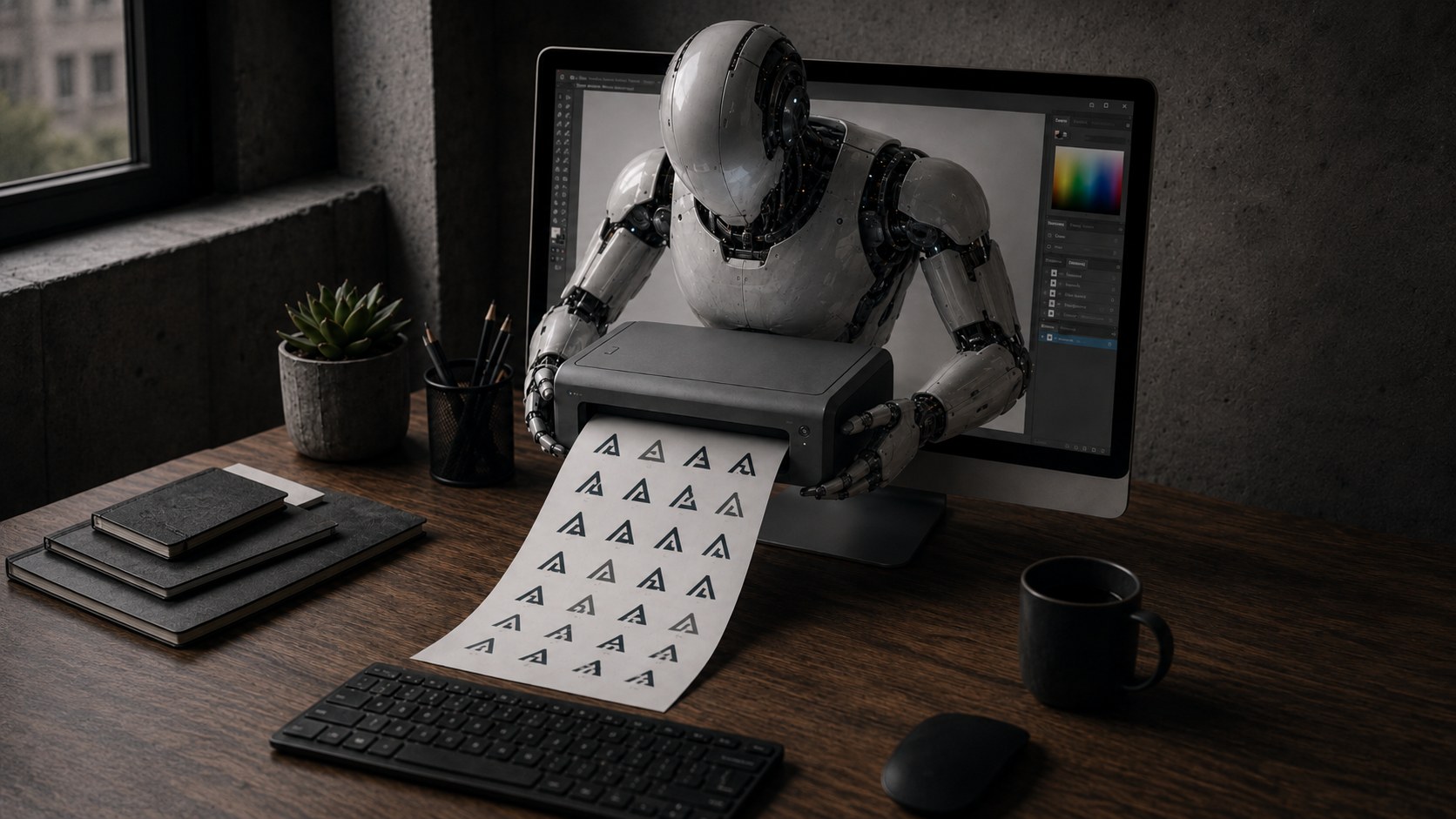
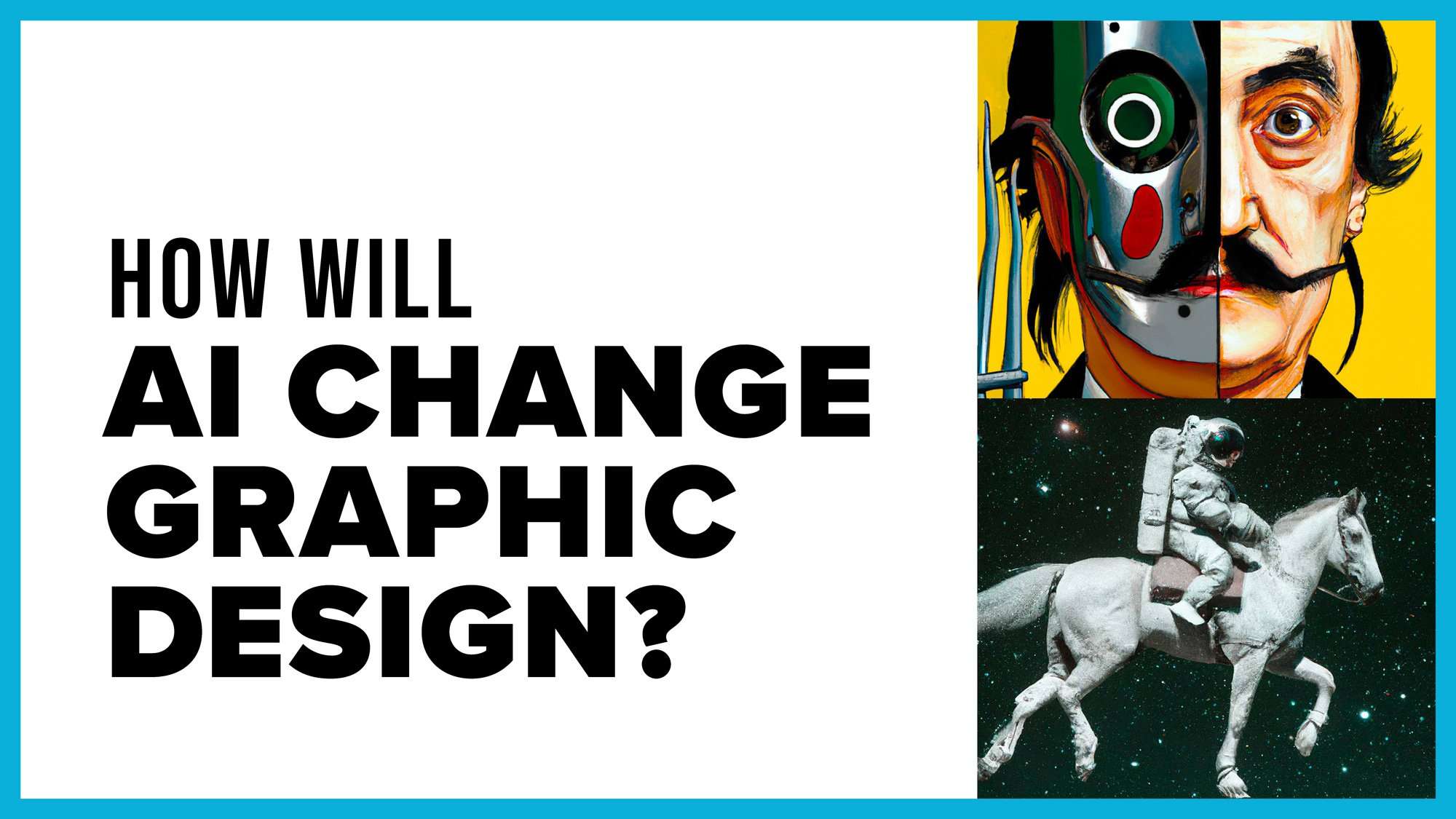
The world of graphic design has long been considered the domain of human creativity — a skill every business relies on. But the rise of artificial intelligence (AI) has opened up new possibilities for how that work gets done. While some designers remain skeptical about AI encroaching on their craft, others are embracing it as a genuine creative advantage. This article looks at how AI is actually being used in graphic design today, the debate around what it means for designers, and whether it's likely to replace human creativity at all.
The Rise of AI in Graphic Design
AI has moved from a novelty to a genuine part of the design process. Text-to-image tools like Midjourney and DALL·E can generate polished visuals in seconds, and Adobe has built generative AI directly into Creative Cloud — Photoshop's Generative Fill can extend a background, remove an object, or create new imagery from a text prompt without leaving the canvas.
These tools have made certain tasks — mood boards, quick concepting, background cleanup — dramatically faster. They've also reignited a real debate: many of these models were trained on images scraped from across the internet, often without the original artists' consent, which has made copyright and attribution a genuine, unresolved concern for the design community.
The Debate: Can AI Replace Human Creativity?
There's a spirited debate within the design community about whether AI can replace human creativity. Some argue that AI isn't capable of creating truly original ideas — that it lacks the human touch essential to great design. But there are already examples of creative AI in action: Google using AI to generate previously unheard sounds, composers creating entirely AI-composed music, and artists using AI to recreate portraits of deceased celebrities — early signs of a trend that's only grown since, with AI-generated art now a fixture of design tools, social feeds, and creative software alike.
On the other hand, others argue AI can have a real impact on the future of graphic design — that it can help generate content, produce new design directions, and speed up the process. Some even argue AI can improve design quality by handling the machine-based parts of a workflow while designers focus on the human elements: color choices, aesthetics, meaning. But those benefits only come from the deliberate, considered use of AI — not from handing the process over to it entirely.
Look at it from a practical standpoint. When a business hires a designer — whether that's the owner of a small business or a marketing manager without formal design training — what they actually need is someone to talk to. Someone who can understand their audience, their ideas, their inspiration, and translate all of that into something real. That's a conversation, not a prompt.
Preparing for the Future of Graphic Design
If you're a graphic designer, it's natural to wonder how AI will affect your career. The best way to prepare is the same as it's always been: keep up with what's changing, and keep developing your skills.
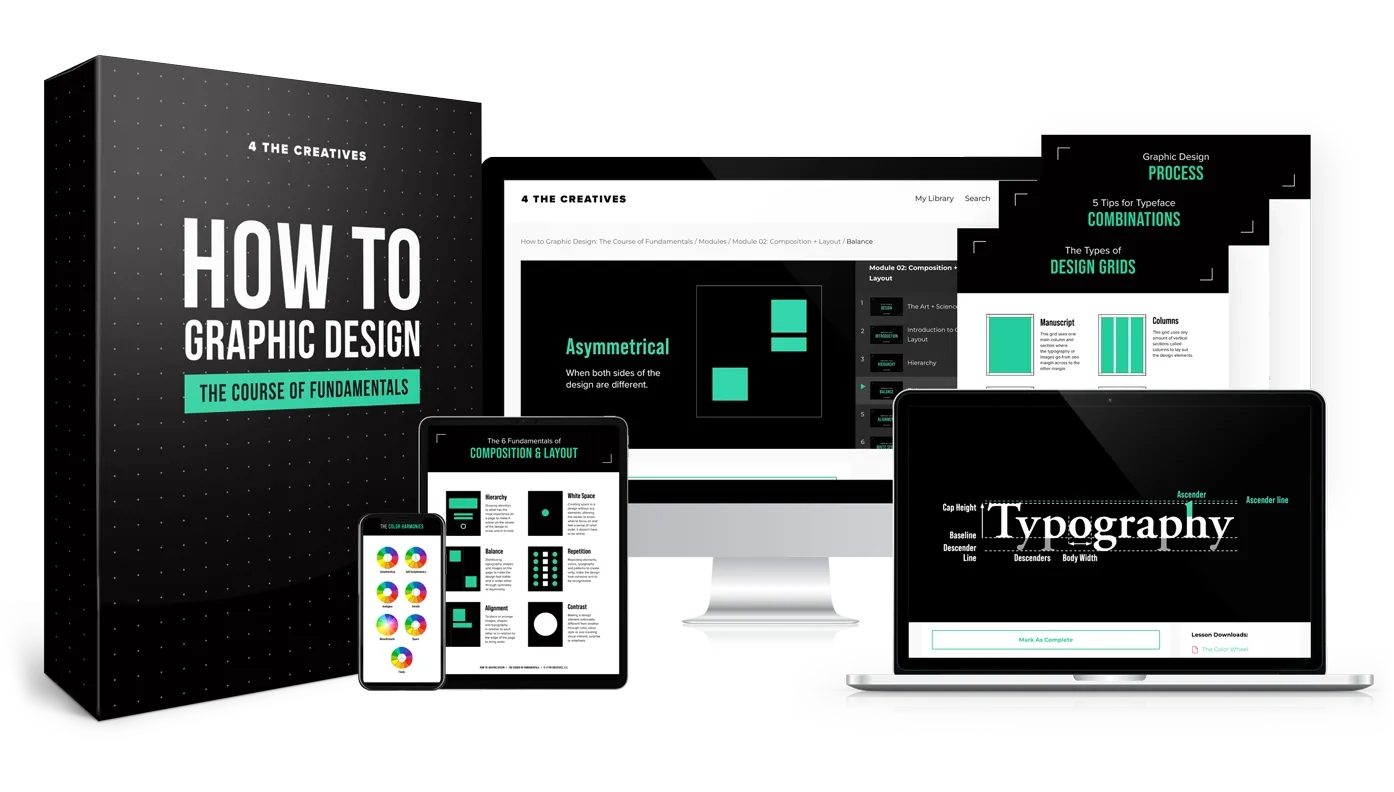
For those just starting out, this matters even more, not less — see our guide on how to learn graphic design for a structured place to begin. AI rewards designers who already understand composition, typography, and color; it doesn't replace the need to learn them.
If you're aiming for an in-house role, you don't need to become a professional programmer, but there's real value in understanding the basics of how automation works — even lightweight scripting can save hours on repetitive tasks.
For freelancers and small studios, AI is most useful as a speed and ideation tool: generating quick concept directions, producing rough examples to align with a client's vision, and helping you get from a blank page to a starting point faster. It's also built directly into the software many designers already use — Photoshop's Generative Fill, for example, can extend, remove, or reimagine parts of an image right inside your existing workflow.
If you're worried about falling behind, the answer is the same as it's always been: keep practicing, and stay curious about the tools available to you.
The Role of AI in Graphic Design
It's unlikely that AI will replace human designers anytime soon. AI can assist with tasks that are repetitive and time-consuming, but it can't replace the creativity, communication, and judgment a human designer brings to a project. AI is best viewed as a tool that enhances a designer's creativity and productivity — not a replacement for the designer.
As AI continues to advance, it's more important than ever for designers to stay current with new tools while continuing to build the fundamentals that don't change. AI has already made real inroads in design work, and its role is only going to grow from here.
The future of graphic design is exciting — and with the right approach, designers can use AI to work faster and push their creative ideas further, without losing what makes their work valuable in the first place.